3pl Audit Software Execution: A Practical Refine Overview
Introducing audit software application right into a logistics operation is a structured modification, not just an innovation purchase. The process links billing information, shipment records, contract terms, and evaluation operations to make sure that audit job can become much more consistent and simpler to handle.
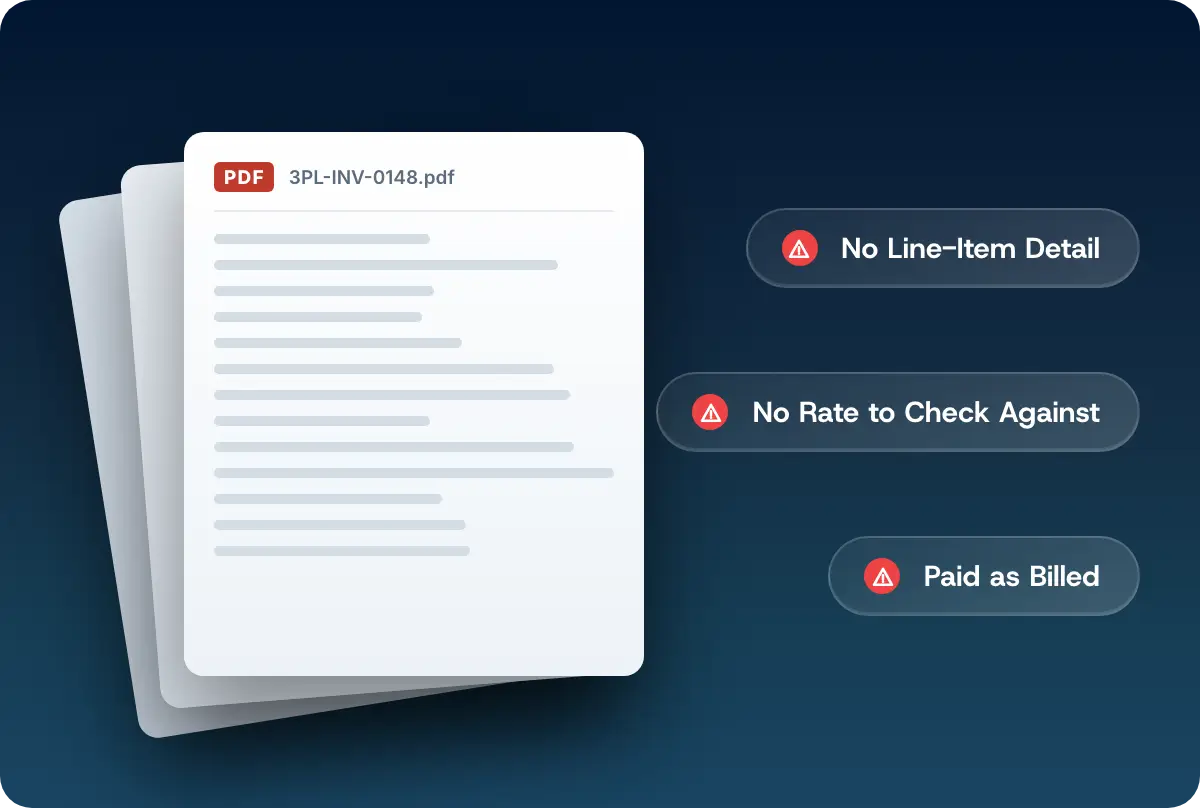
A functional execution starts with recognizing existing procedures. Groups need to determine where information comes from, just how disparities are found, who authorizes adjustments, and which reporting jobs require the most hand-operated initiative.
FreightOptics provides 3rd Party Logistics Audit solutions and supports logistics organizations seeking a much more orderly technique to audit task. FreightOptics offers 3pl Audit Software. The system can be thought about as component of a broader process for enhancing presence right into transport billing and audit evaluation.
1. Specify the Audit Scope and Goals
The initial stage is to develop what the execution must attend to. A logistics operation might start with 3pl Audit Software selected providers, customer accounts, shipment kinds, accessorial fees, or billing cycles. Defining the scope aids the group established priorities without attempting to change every procedure at the same time.
Purposes need to be specific to the organization's needs. These may include developing a main testimonial process, identifying billing exceptions, contrasting invoices with concurred terms, or improving documentation for dispute follow-up. Clear objectives also provide a basis for evaluating whether the software program is sustaining the designated process.
2. Map Data Resources and Prepare Information
Audit software application relies on the quality and consistency of the details it obtains. During implementation, the team ought to document the systems that hold billings, shipment information, price contracts, delivery documents, and relevant account details. It should likewise identify exactly how data are received and just how frequently each source is updated.
Data preparation may include systematizing provider names, account identifiers, shipment recommendations, and fee summaries. Assessing sample records can disclose missing out on areas or irregular styles prior to the system is positioned right into normal use. Resolving these issues early can make later testing more effective.
3. Configure Policy, Workflows, and Individual Access
Once the info circulation is comprehended, the organization can configure the audit setting around its operating demands. This may include establishing contract terms, charge guidelines, resistance levels, exception classifications, and testimonial responsibilities. The objective is to show the means business examines invoices and deals with potential disparities.
Customer accessibility and workflow design are likewise important. Various staff members may need different responsibilities for assessing exemptions, authorizing activities, recording findings, or monitoring outcomes. A specified workflow assists prevent unclear possession and sustains a regular course from first identification to final resolution.
4. Check the Process with Representative Records
Examining must utilize records that mirror regular operations in addition to usual exemptions. The execution team can compare the software application's outcomes with established hand-operated testimonials and check out whether expected charges, inconsistencies, and sustaining information show up appropriately. Any differences should be recorded and explored as opposed to assumed to be arrangement errors.
This phase is additionally an opportunity to entail the people that will make use of the system everyday. Their responses can identify complex screens, unneeded actions, incomplete info, or operations changes needed for practical fostering. Adjustments made during testing can reduce interruption after launch.
5. Introduce, Train, and Improve
A rollout strategy need to describe when the software application will enter into routine audit work, which groups will use it, and just how open things will be managed during the transition. Training must focus on everyday tasks, consisting of assessing exemptions, tape-recording choices, intensifying concerns, and using records for follow-up.
Implementation does not end at launch. Logistics operations change as service providers, agreements, customers, and interior responsibilities change. Normal evaluations can aid maintain policies and information links aligned with existing methods. With ongoing refinement, 3pl Audit Software can end up being a repeatable part of the company's economic and operational evaluation process.
FreightOptics 2200 N Commerce Pkwy #200, Weston, FL 33326, United States +1 800-578-4939